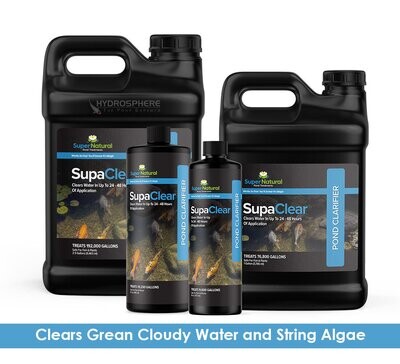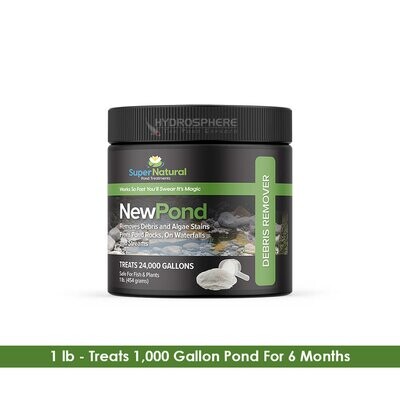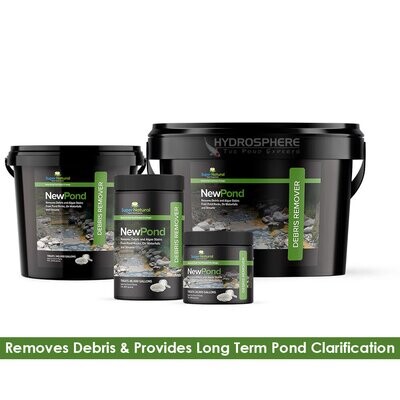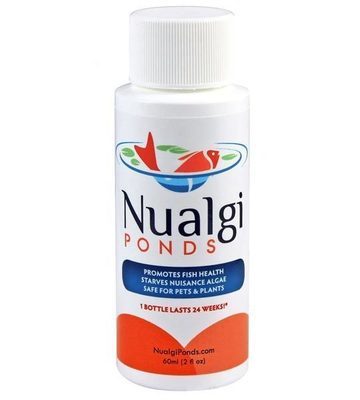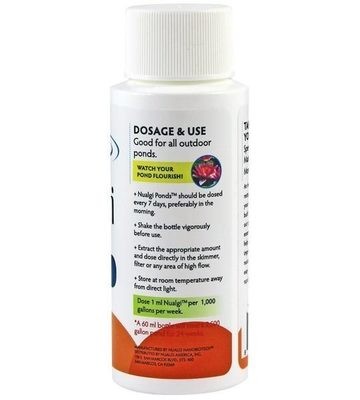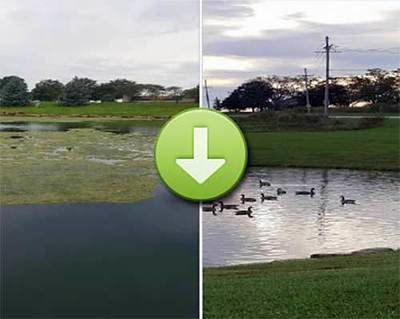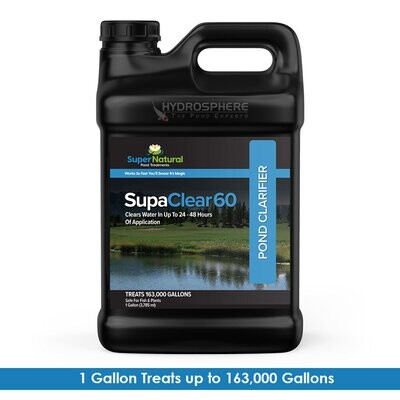
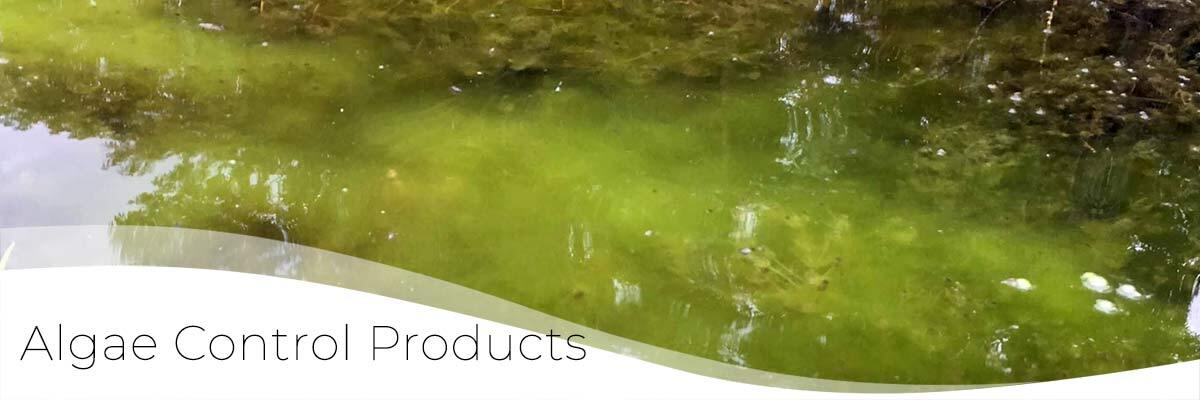
Algae is one of the most common 'problems' people have in their pond. Although having some algae in the pond is natural and also beneficial, when it gets out of control it can become a nuisance.
The 2 basic types of algae are filamentous / string algae and free floating algae (green water).
Most ponds will achieve a natural balance and clear up on their own provided there is proper circulation, filtration and plant cover. See our Controlling Algae in The Pond article for more information about algae and how to get rid of it.
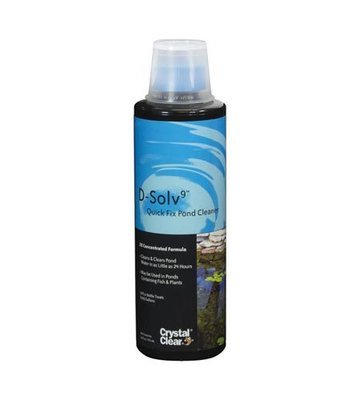
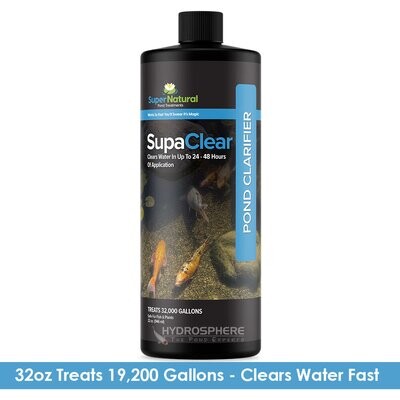
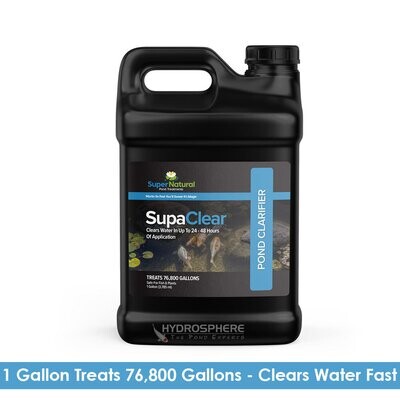
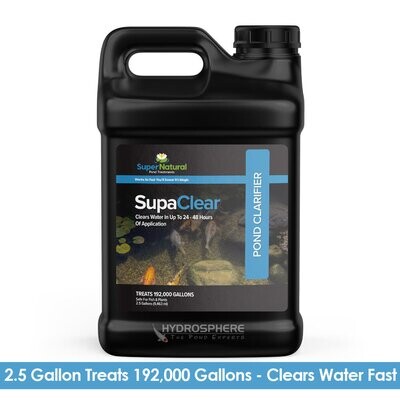
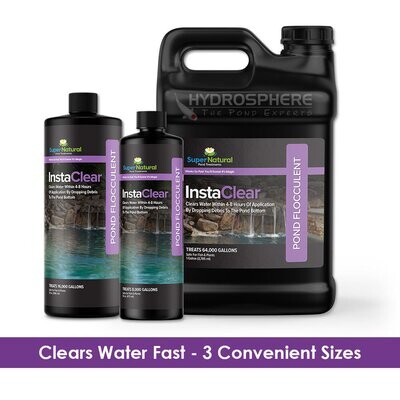
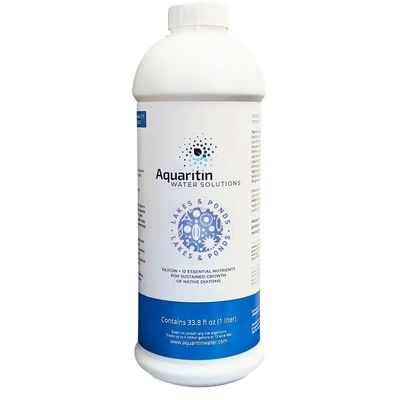
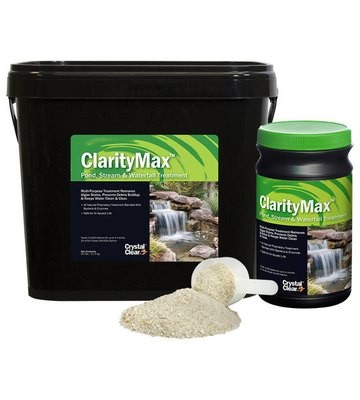
Sometimes you need a green water fix or solution to control or eliminate excessive algae in your pond. We have many great products available to help control or eliminate algae in your pond
Regular, partial water changes help to improve water quality by flushing out dissolved waste materials and replenishing essential minerals.
Water lilies are heavy feeders and require regular fertilizing for them to produce abundant blooms. Most fertilizer tablets should be applied directly into the soil at least every monthly during the growing season.
A properly sized Ultraviolet Clarifier will quickly clear up green cloudy water in your pond, usually in less than 1 week.
Automatic Fish Feeders are an great way to make sure your fish are fed while your are away, and more reliable than your neighbours!
One of the most significant advantages of using Kaldnes or similar filter media in a moving bed filter is its self-cleaning property. As the media moves within the filter, it continuously rubs against other media pieces. This abrasion helps to slough off excess biofilm, preventing the media from becoming clogged and maintaining optimal filtration efficiency.
Water lily flowers close at night to protect their delicate structures from predators or getting too damp from heavy morning dew
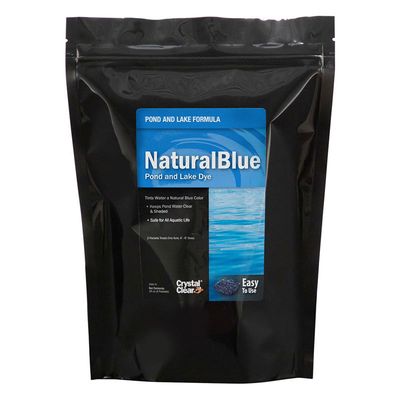
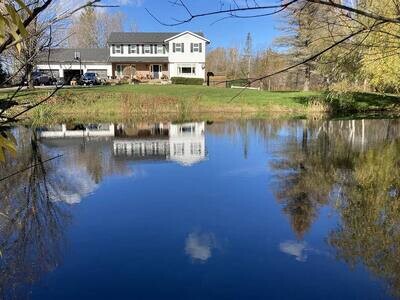
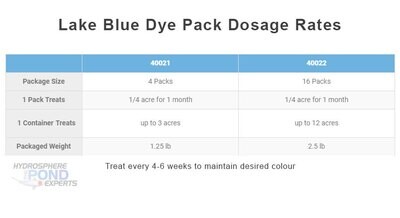
Pond Dye helps reduce algae growth in ponds by reducing the amount of sunlight that enters the pond. Submerged algae (and plants) cannot grow if they don’t receive enough sunlight.
All parts of the lotus plant are used in traditional medicine for treating abdominal cramps, bleeding ulcers, sunstroke, insomnia, skin ailments and many more.
Water Lilies come in different sizes. If you have a small pond, choose a water lily with a small spread so it doesn’t overtake your pond. If you have a large pond, you can choose lilies with small, medium or large spreads.
Utsuri – is the term used to describe a koi with only 2 colours. It is a black koi with one other colour such as white (Shiro Utsuri), red (Hi Utsuri), or yellow (Ki Utsuri)
Hanako, the oldest koi have ever lived, was born in 1751 and lived until July 7, 1977 - an extrordinary 226 years! The age of Hanako was verifed by scale analysis. July 7 was named National Koi Day in honour of Hanako.
Keep a close eye on your pond during the winter months to ensure there is an opening in the ice to allow oxygen into the water and gases to escape.
Tosai is the Japanese term that refers to a koi that is 1 year old. Learn more Japanese Koi Terminolgy.
Adding LED Pond Lighting is great way to extend the time you can enjoy your pond. Lighting up waterfalls or fountains adds a whole new dimension to your pond at night.
Lotus make stunning pond plants. The larger varieties have huge leaves that grow up to 24” in diameter held up to 3 feet above the water. Their flowers are very fragrant and measure up to 8” in diameter. There are also medium and dwarf sized lotus that will suit any size pond or water feature.
Yes, water lettuce do actually flower! However, the flowers are so small most people never actually notice them.