For most ponds, adding aeration, specifically subsurface pond aeration is the most effective way to improve water clarity, water quality, reduce algae and weed growth in your pond. But if you are reading this, you probably already know that. However, just like any other piece of equipment you have, aeration systems need some regular maintenance from time to time. Regular pond aeration system maintenance is the key to ensuring your aeration system components provide many years of service.
Luckily, most of the regular maintenance that is required for aeration systems and compressors is really quite simple and easy to complete. Just follow the steps below to ensure a long operating life.
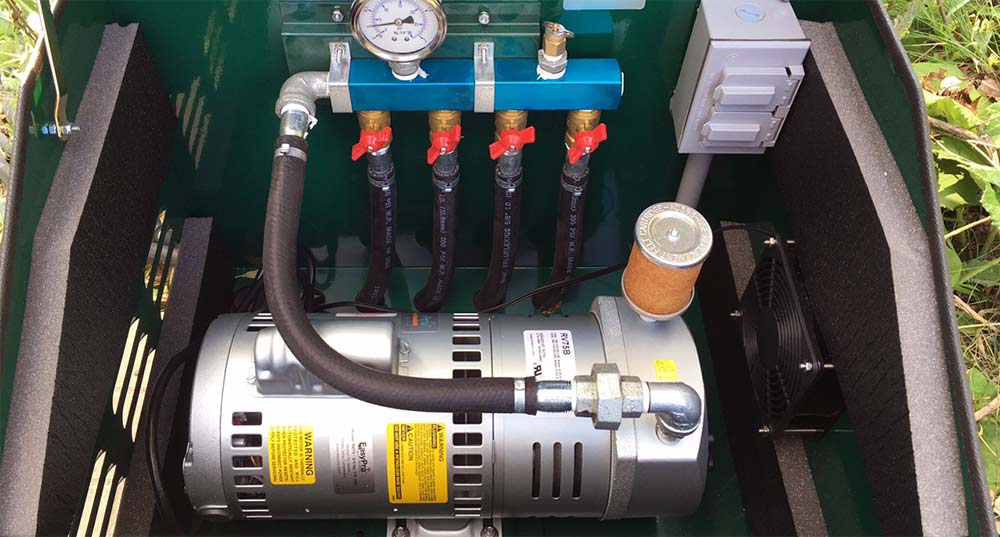
Air filters are probably the single most important piece of equipment to check and maintain in your aeration system or air compressor to keep it in optimal condition. Dirty or clogged air filters are the main cause of compressor failures, so regular pond aeration system maintenance is a must.
Whether you have a rocking piston, rotary vane or diaphragm compressor, they all work by drawing air into the compressor and forcing it out at higher pressure through the airline and diffusers. The air filters prevent dirt, dust or debris from getting inside the compressor and causing excessive wear or damage. Over time, as more debris becomes trapped on the air filters, it gradually reduces the air flow. If the filter becomes too dirty, the air flow is reduced so much that the compressor becomes starved of air which leads to overheating and failure.
Some aeration system cabinets have air filters built into the cabinet. These filters are usually fairly coarse and act as a pre-filter to prevent larger debris such as leaves, insects, dandelion fluff etc. from entering the cabinet. These filters help prevent the air compressor filters from clogging as well as keeping the inside of the cabinet clean.
Aeration system compressors have air filters connected to intake of the compressor.
These pleated air filters elements are often used with rocking piston compressors, and are made of paper. They are pleated to increase the surface area that the incoming air is drawn through to reduce cloggging. The filter material is fairly fine to prevent very small debris such as dust, dirt and pollen from entering the compressor. These particles can be highly abrasive and cause increased wear and prematurely failure of the internal components of your compressor.
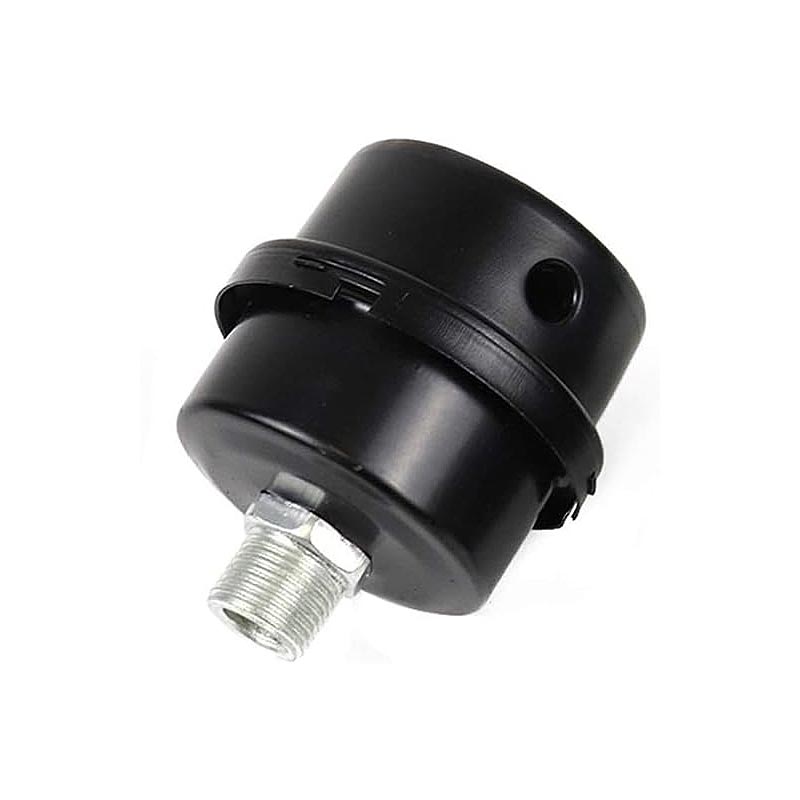
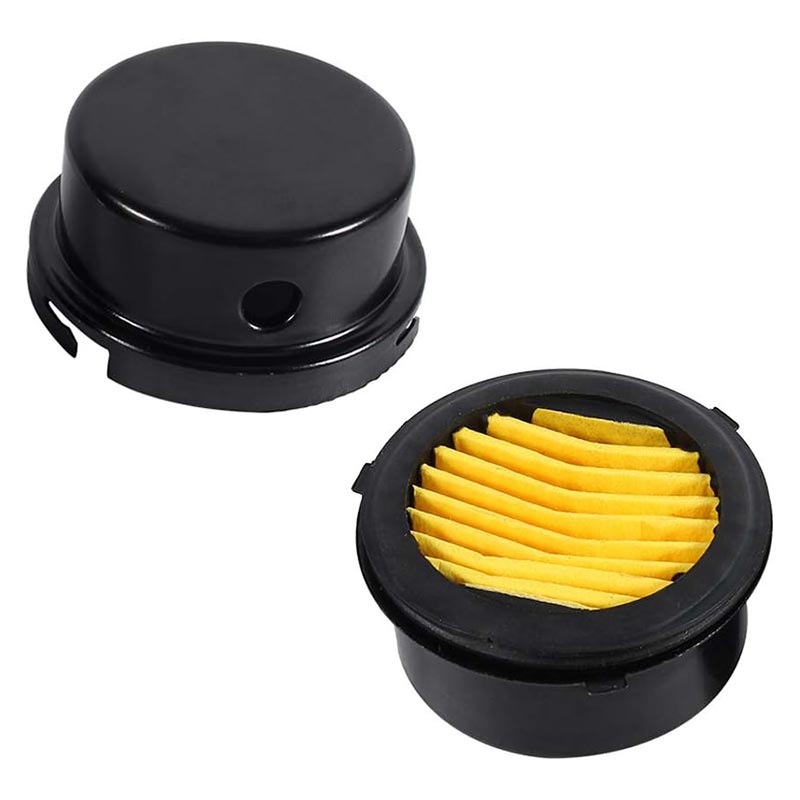
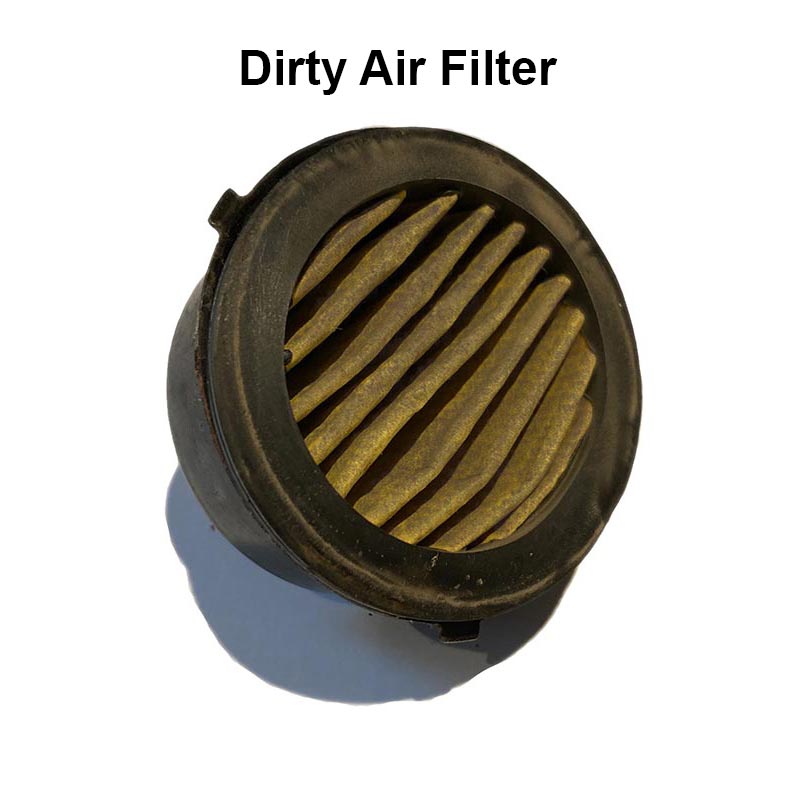
Aeration system compressors have air filters connected to intake of the compressor.
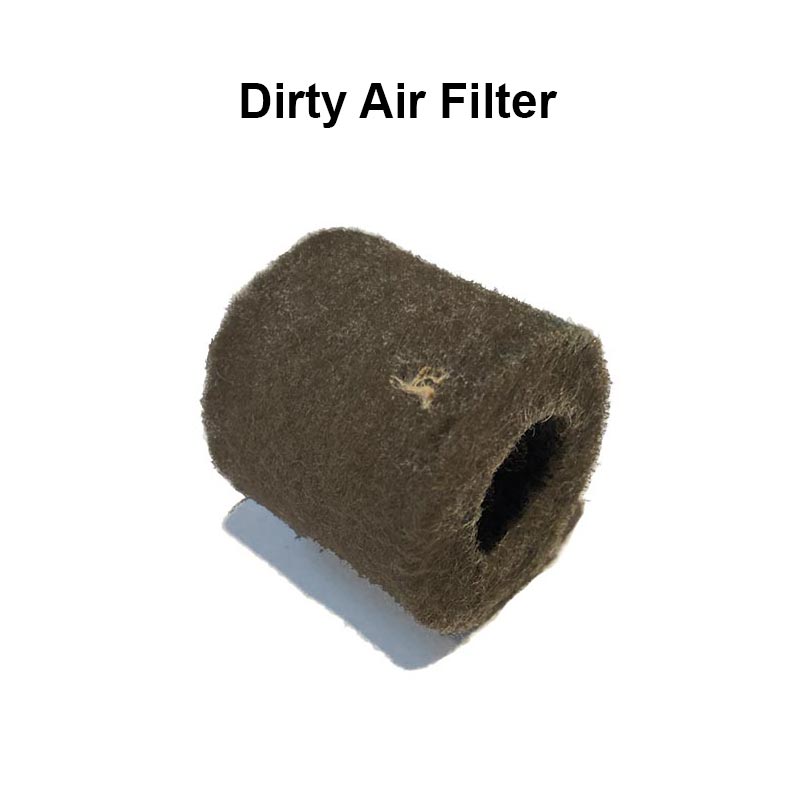
These air filters are also commonly used on rocking piston compressors. The filter element is a woven felt material and is fairly fine to prevent very small debris such as dust, dirt and pollen from entering the compressor. These particles can be highly abrasive and cause increased wear and prematurely failure of your compressors internal components.
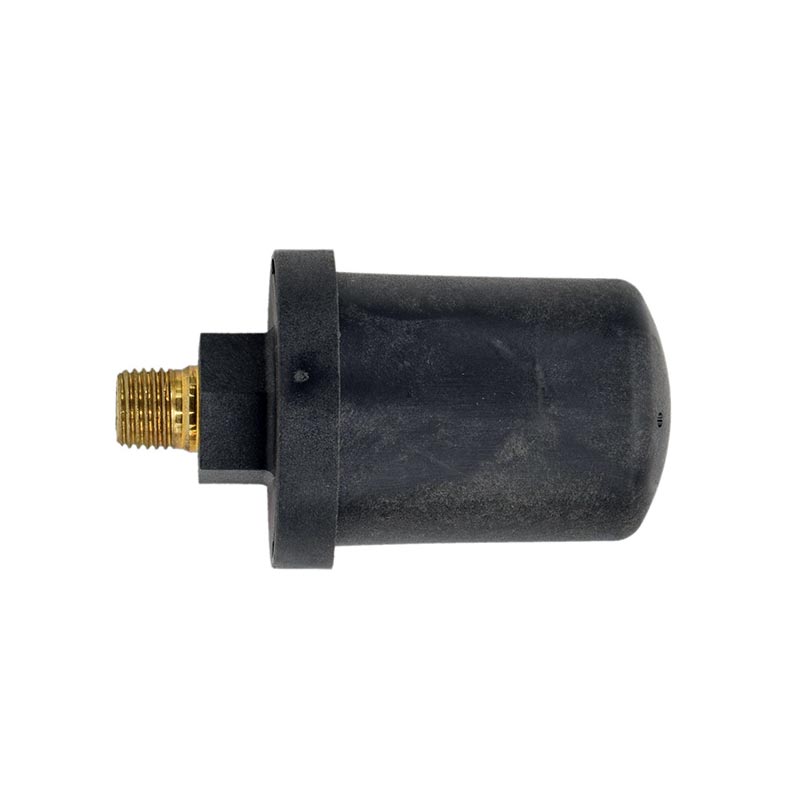
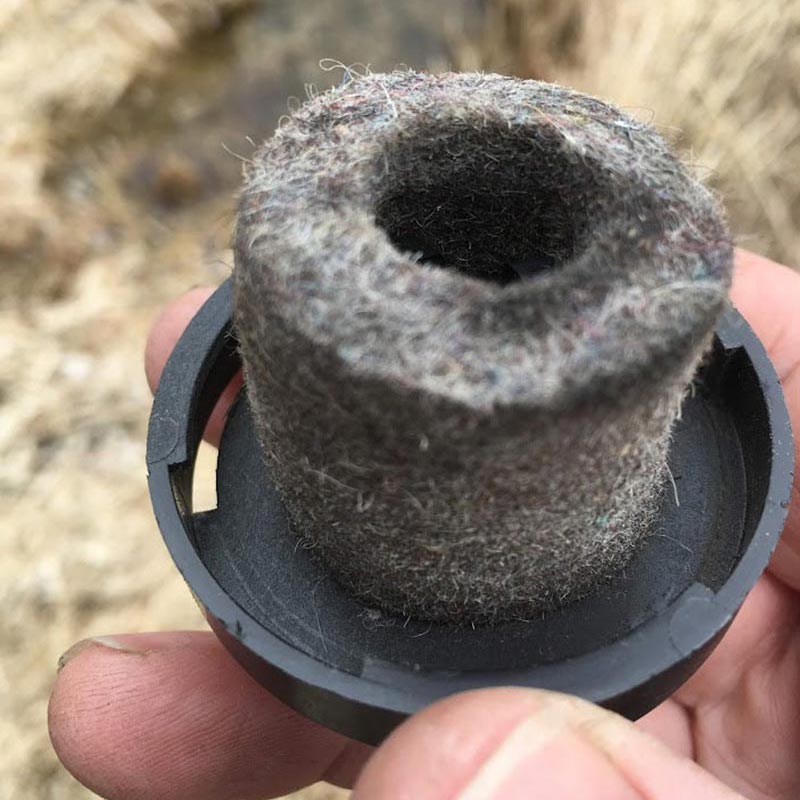
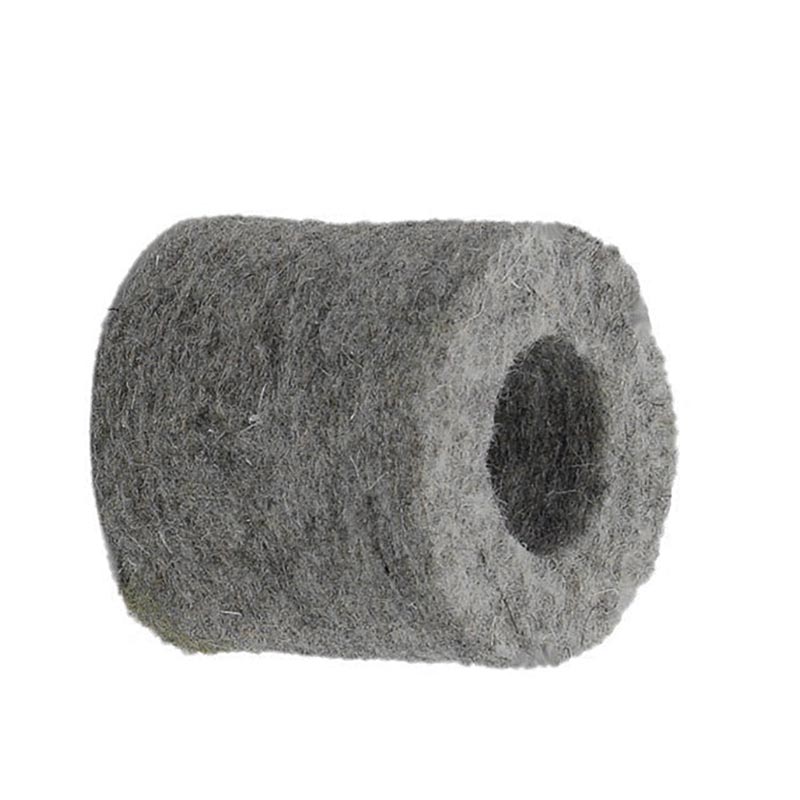
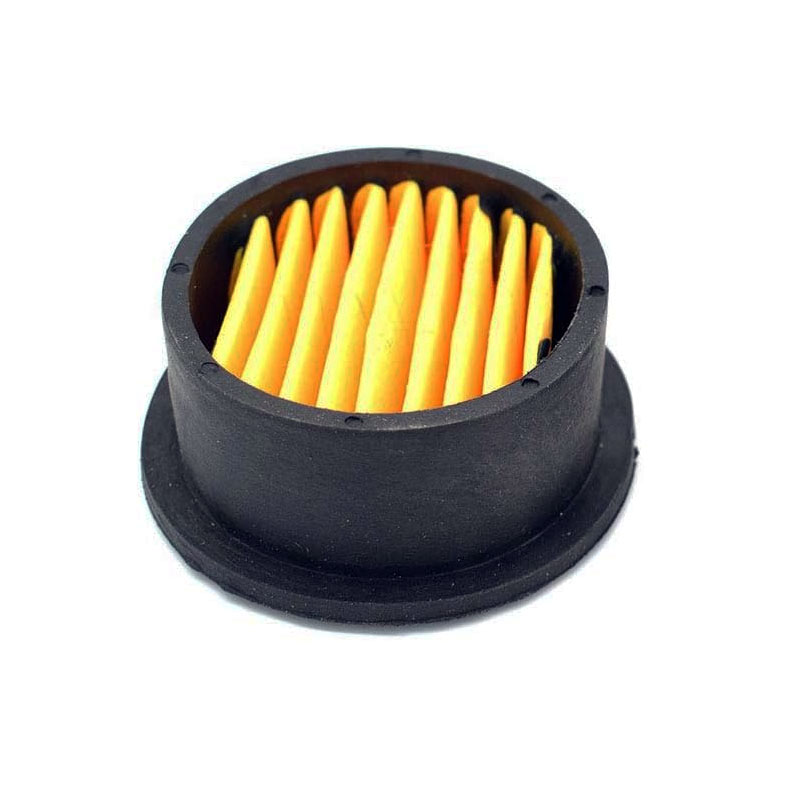
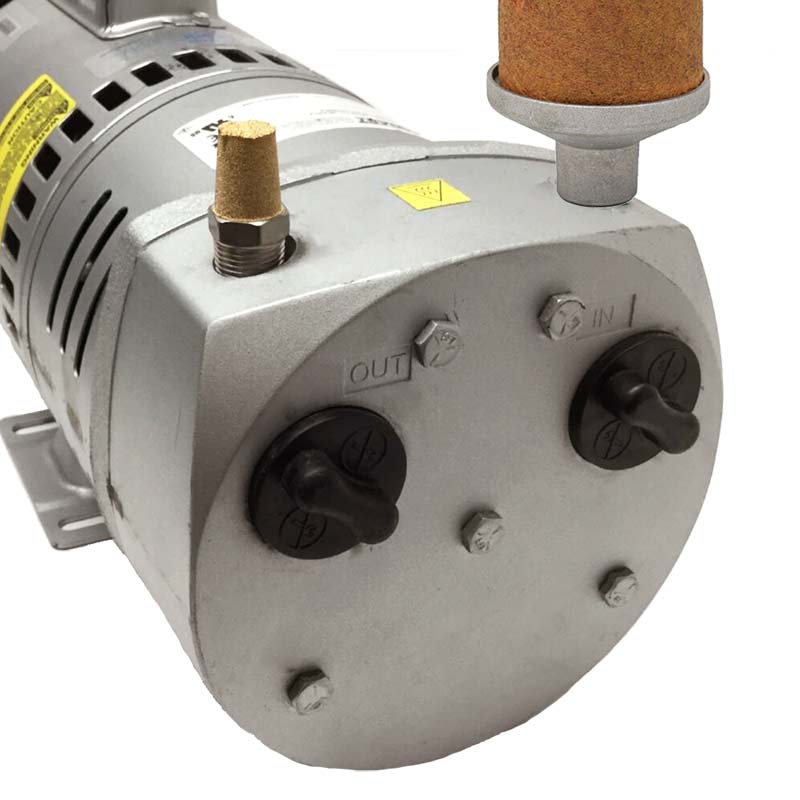
Aeration system compressors have air filters connected to intake of the compressor.
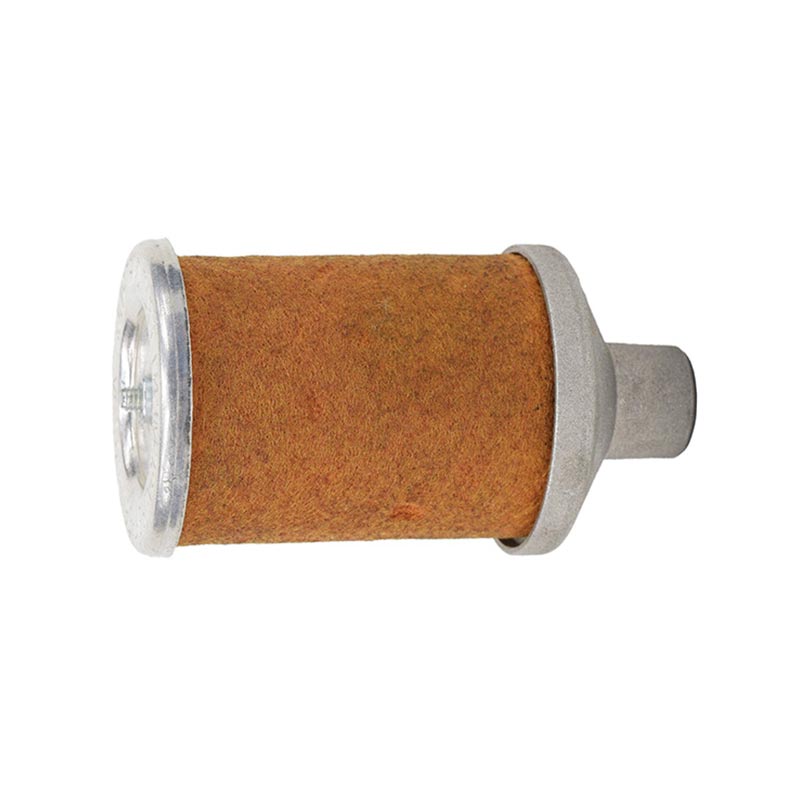
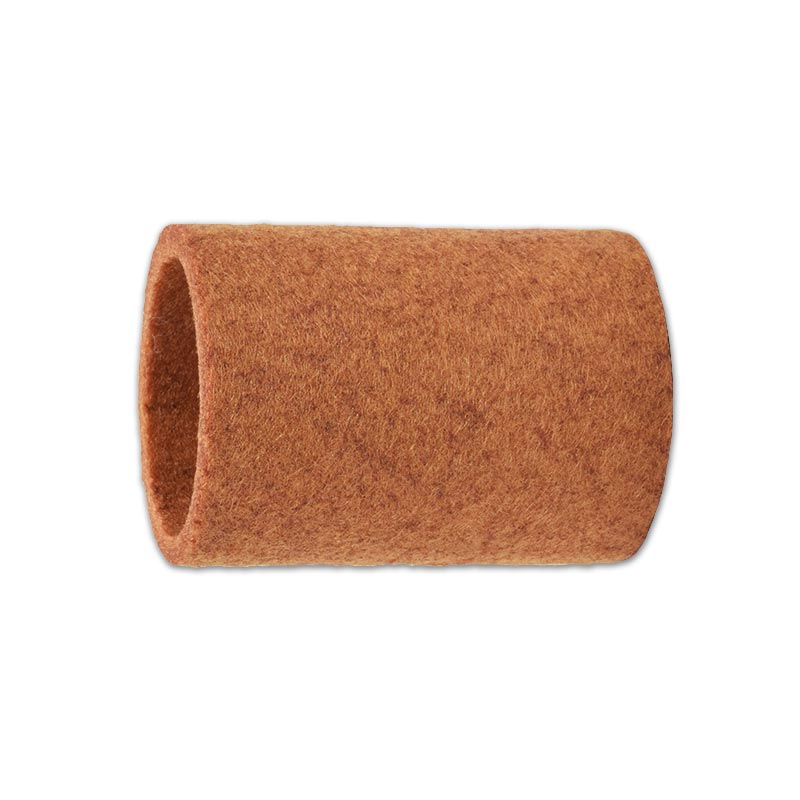
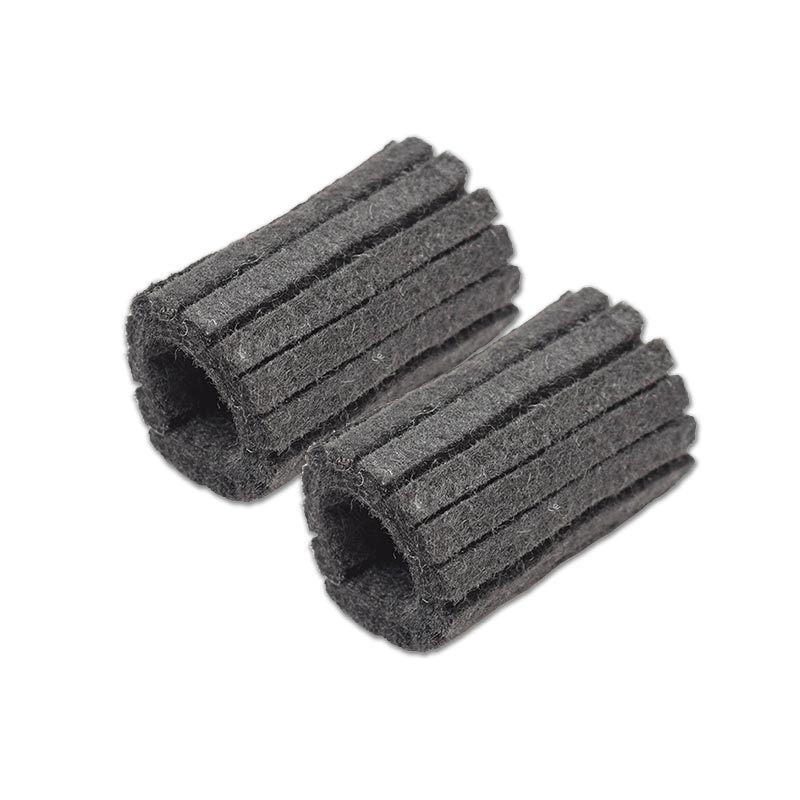
These air filters elements are typically used on rotary vane compressors. The filter element is a rigid woven material and is fairly fine to prevent very small debris such as dust, dirt and pollen from entering the compressor. These particles can be highly abrasive and cause increased wear and prematurely failure of the internal components of your compressor.
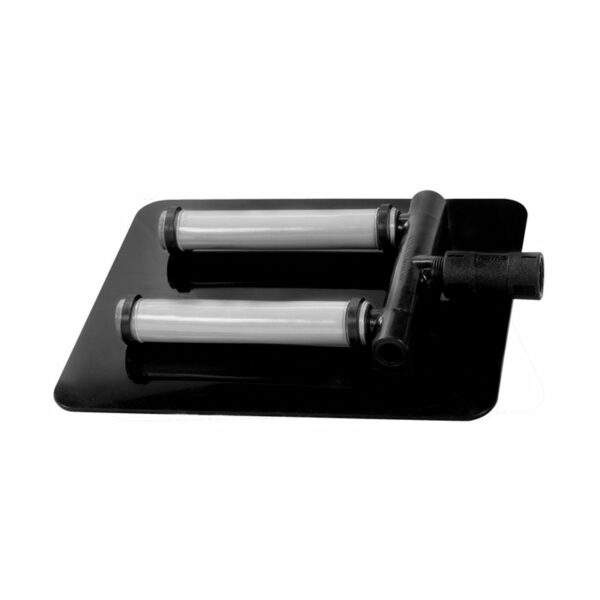
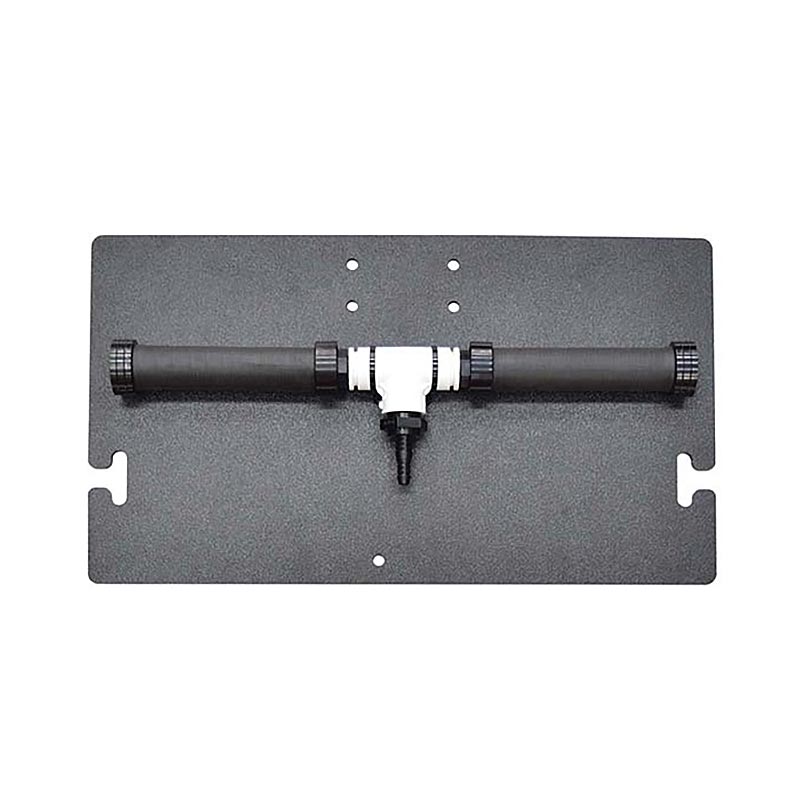
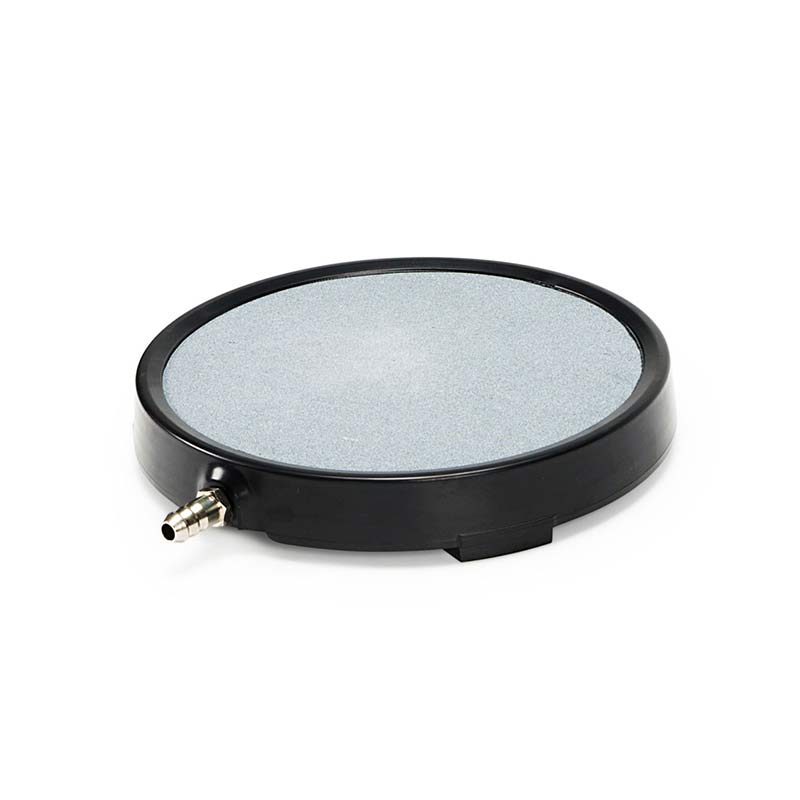
Air diffusers are attached to the end airline that is placed at bottom of the pond. Diffusers break up the air into fine bubbles creating more effective circulation and aeration. There are several types of air diffusers that are commonly used in ponds, such as rubber membrane diffusers, air stones made from aluminum oxide or even bubble tubing.
Most air diffusers for aeration systems are relatively maintenance free. Most diffusers designed for natural, earth bottom ponds have plates attached to the bottom to prevent them from sinking into the muck or sludge. This helps keep them clean and prevents them from clogging with debris.
Pond airline tubing carries the air produced by the compressor down to the bottom of the pond.
The 2 most common types of tubing are Vinyl and PVC.
Airline typically last for several years without any issues, however PVC will last longer than vinyl. In ponds over 4′ deep, airline tubing (and diffusers) are usually left in the pond over the winter because there is little chance of them freezing and being damaged.
Most aeration system cabinets have built-in cooling fans. Rocking piston and rotary vane compressors give of a substantial amount of heat while they are operating, especially larger HP units. If the ambient temperature inside the cabinet gets too high, the compressor won’t be able to cool itself off and will temporarily shut down. Cabinet cooling fans draws in cooler air from outside and passed it over the compressor, keeping them cool. The hot air is then vented outside.
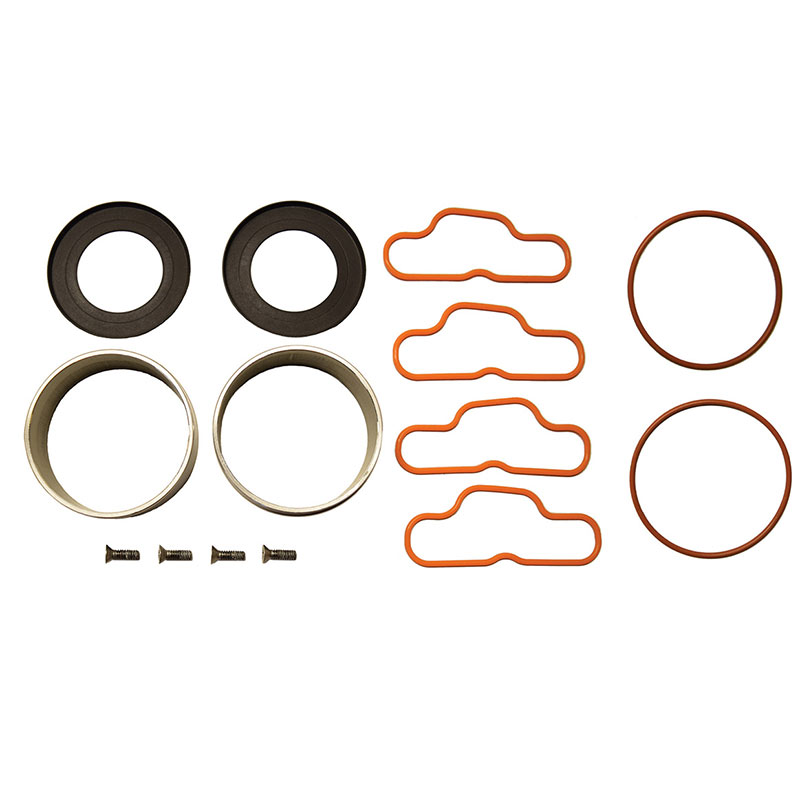
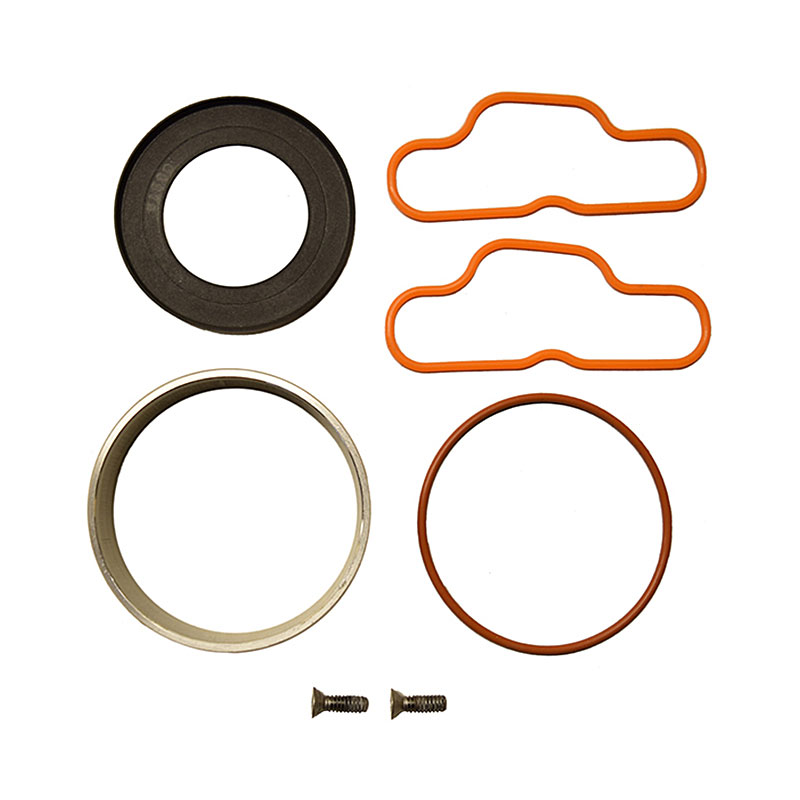
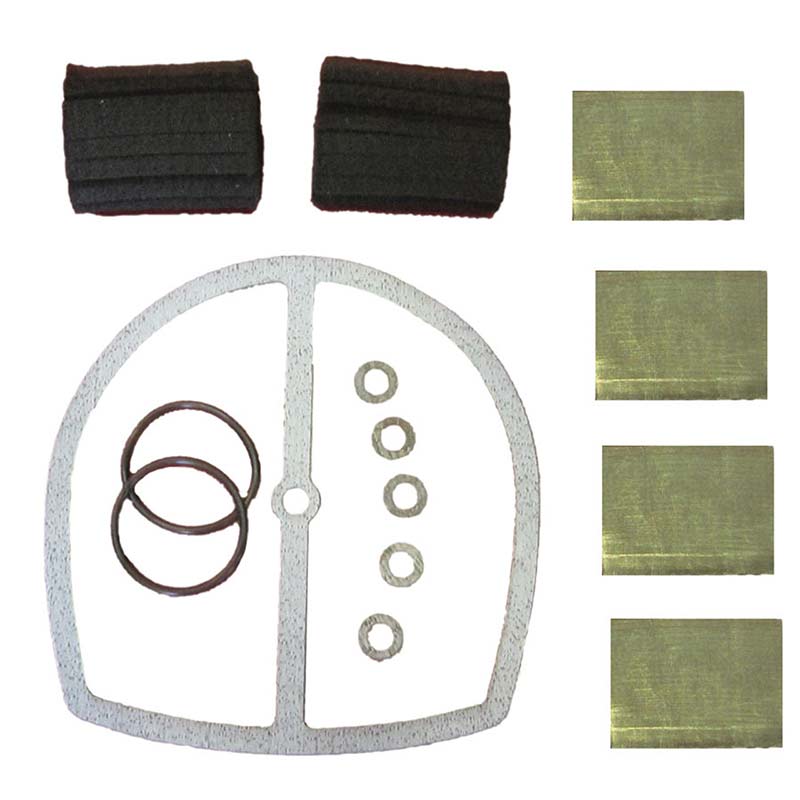
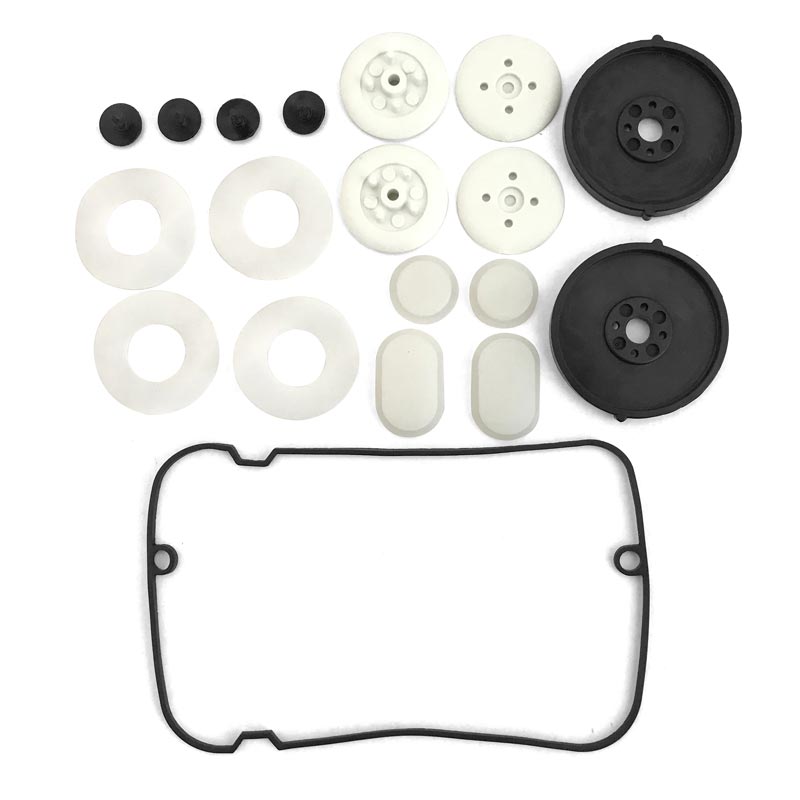
Pond aeration system compressors have internal components that wear out over time and will eventually need to be rebuilt. Any reputable brand of compressor will have replacement parts available, usually a ‘rebuild kit’ that contains all the part required to make the compressor work like new. In most cases, rebuilding the compressor isn’t difficult.
Good quality compressors will typically run for many years without any issues, but the internal wearable parts have a limited lifespan and will eventually fail. There are several factors that can affect how long a compressor will operate before it needs to be rebuilt such as the operating depth of the diffusers, regular maintenance, compressor location (temperature, moisture, dust etc.).