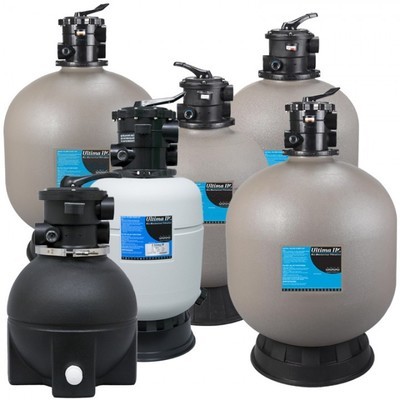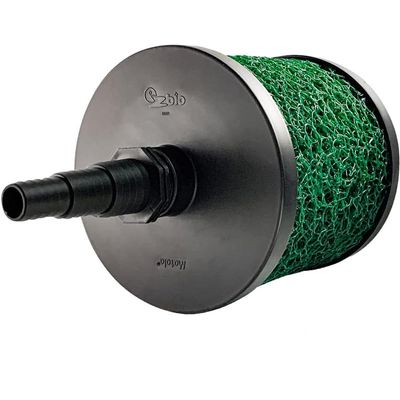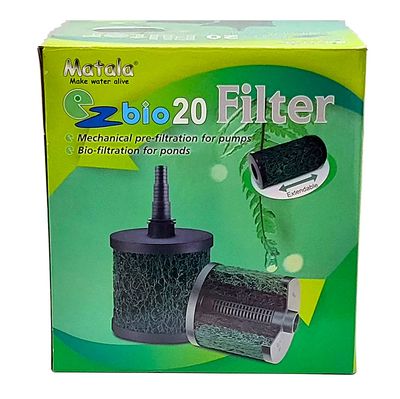
Well designed koi pond filters are the key to maintaining a healthy pond ecosystem, clear water and great water quality. A filter is probably the most important piece of equipment in a pond, especially in a koi pond. Koi and goldfish are heavy feeders, and they produce a lot of waste. A proper filter will trap solid waste, break down dissolved waste, and be easy to clean. The key to keeping your koi healthy, is maintaining excellent water with with a well designed, properly sized pond filter.
Small or poorly designed filters will not filter a pond properly. As a result, they will clog too often and require very frequent cleaning. This can lead to poor water circulation, premature pump failure, poor water quality which usually result in sick fish.
On the other hand, properly sized, well designed koi pond filters will provide excellent water quality and clarity and healthier fish. Plus, these filters are typically much easier to clean. It is always best to oversize the filter for your pond. This provides extra filtration in times of need, such as when your fish spawn, or if you have a few too many fish in your pond.
We carry a wide range of koi pond filters suitable for any size pond. Take a look below to see our bead filters, pressurized filters, pond skimmers, waterfall filters and spillways.