Fall / early winter is the most crucial time of year regarding your koi and goldfish health. Winters in Canada and the northern states are often very long and cold. During this time fish are very vulnerable because of their slow metabolism and weakened immune system. Poor water quality, low oxygen and elevated carbon dioxide levels are likely to devastate a healthy fish population very quickly during the winter if the proper winterizing steps aren't followed. Some extra planning, care and maintenance can make all the difference as to whether your fish thrive through the long winter months or end up sick or even dead come spring.
Read our How to Winterize Your Pond Page For More Information.
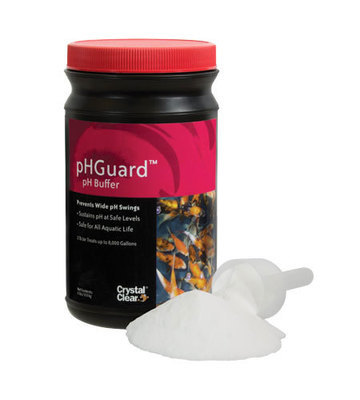
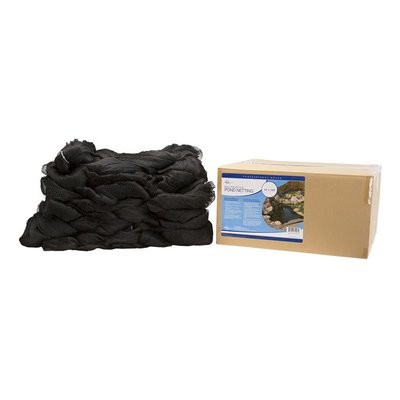
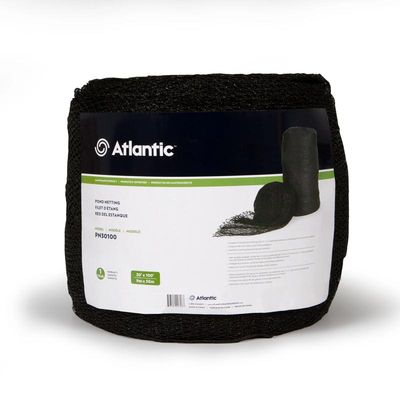
We have all the winter pond products and supplies you need to get your pond ready for winter. Pond heaters / de-icers, aerators, fall wheat germ koi food and pond netting are just some of the products you need to keep your fish their healthiest through the long winter months.
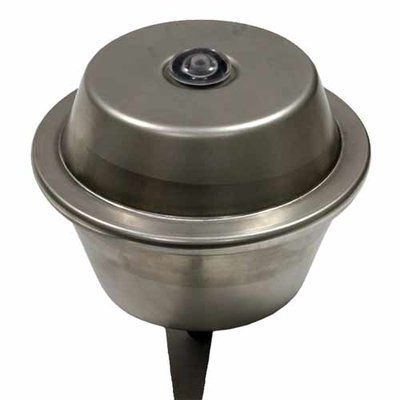
Most pond heaters are designed to float to keep as hole open in the ice to allow oxygen in and toxic gases to escape from the pond.Pond heaters We carry the most reliable brand of pond heaters and de-icers such as Thermo Pond 3.0, Perfect Climate, Tetra, Aquascape and PondMaster.
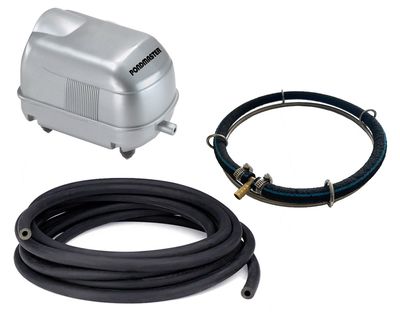
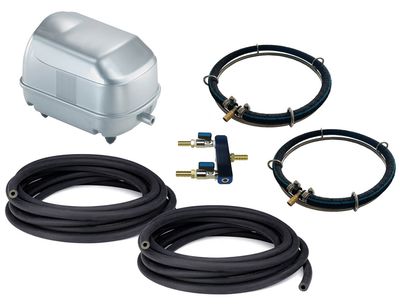
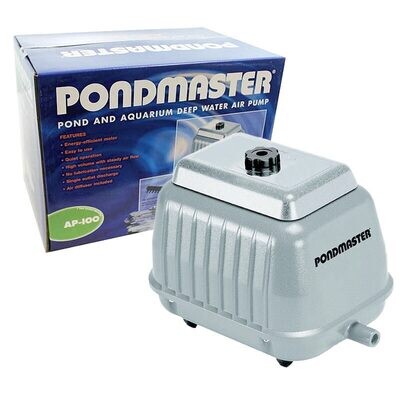
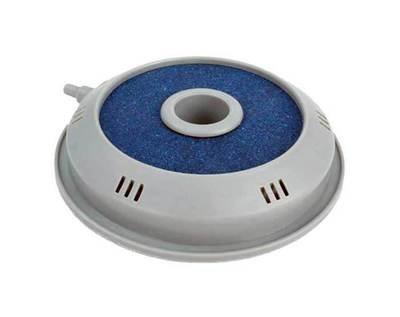
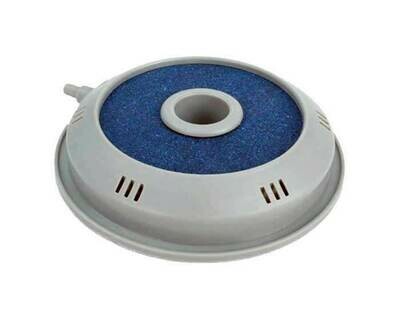
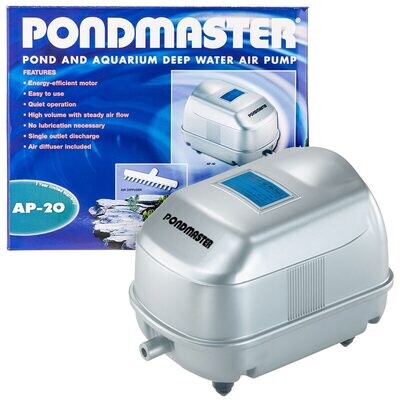
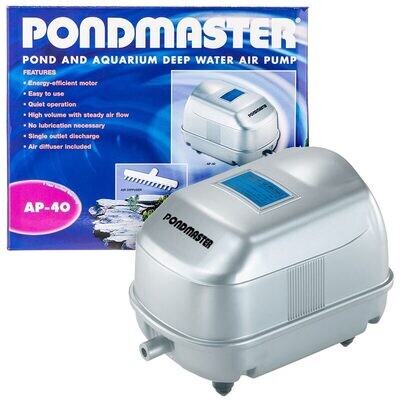
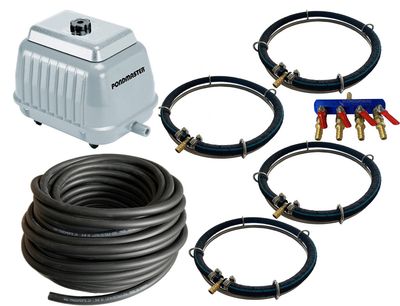
Aeration is another way to keep an opening in the ice through the winter months. The rising bubbles create a strong current that prevents the water from freezing. Aerators can also be used in the summer to increase circulation and oxygen levels. Plus they make a useful back-up to maintain oxygen levels in case you pond pump ever fails.
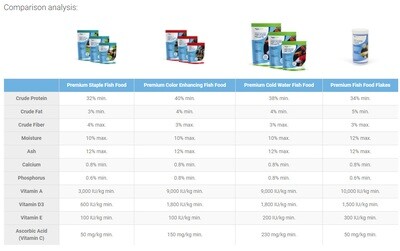
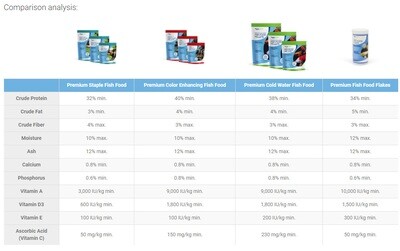
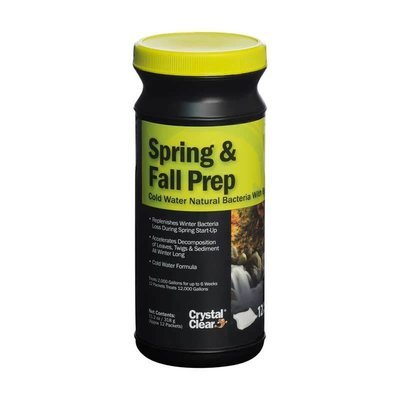
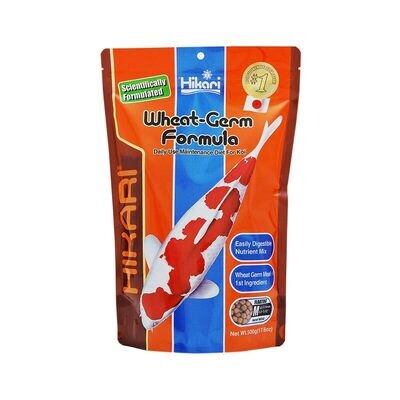
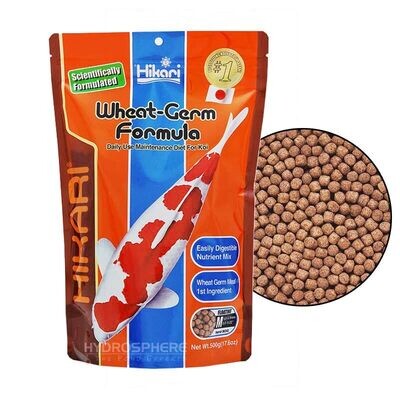
Cold Water Fish Food the ideal food to feed koi and goldfish, particularly in cold temperatures. The first ingredient listed on the package of a good Spring & Fall or Cold Water Food should be wheat germ. Wheat germ is highly digestible, especially in cold water. The rich proteins often found in typical summer fish foods can be hard for koi and goldfish to digest when the temperature drops. feeding a wheat germ based food in the fall will help your koi to 'fatten up' before winter.


Regular, partial water changes help to improve water quality by flushing out dissolved waste materials and replenishing essential minerals.
Oxy-Pond Cleaners are a great product for spot treating string algae on waterfalls and in shallow streams. Simply turn off your pump, sprinkle it on any algae, wait about 15 minutes and turn your pump back on.
Great Blue Herons are typically solitary birds, so placing a lifelike heron decoy at eh edge of your pond often deters them from visiting your pond and eating your fish. If you have a heron that lives near your pond, moving your decoy around from time helps to maintain illusion.
Goldfish make ideal pets for small ponds because of their modest size. They typically grow 8”- 10" long, although they can occasionally get bigger. The best types of goldfish for outdoor ponds are Comets, Sarasa Goldfish and Shubunkins.
Having some algae in your pond isn’t a bad thing. In fact, algae consumes nutrients and waste products and helps to purify your pond water. Many small zooplankton feed on algae which then become food for small fish.
While Tropical Water Lilies may be a bit expensive and will not survive the winter in the pond except in very warm climates, they are definitely worth it. They bloom profusely all summer long; they are available in many colours and they often have large exquisitely patterned leaves.
Floating plants like water lettuce and water hyacinths provide shelter and hiding places for koi and goldfish and can protect them from predators like herons.
Frogs typically hibernate during the winter by burrowing in the mud found in ponds and lakes. Their metabolism slows down enough that they can absorb all the oxygen they need through their skin.
Nisai is the Japanese term that refers to a koi that is 2 years old. Learn more Japanese koi Terminolgy
Body flukes (Gyrodactylus sp.) are a fairly common parasite found on pond fish. They do not lay eggs like gill flukes, instead they produce live young. They are found both on the gills and the body of fish.
Covering 50%-65% of your pond’s surface with plants is recommended to help shade the pond and keep the water cool in the summer months. Plants also consume excess nutrients from the water reducing algae growth and help to maintain optimal water quality. These 'Clear Water Plants' are some of the best plants for maintaining a clear, healthy pond.
If you plan to keep koi in your pond, it should be at least 4’ deep to give them enough space to swim and develop properly.
The beautiful koi we see today originally started out as bland coloured carp that were raised for food in Japan. It wasn’t until the early 1800's when farmers began to notice interestingly coloured fish appearing in their rice paddies and began selectively bred for colour.
Although algae can be a pond owners worst problem, it has many potential benefits outside of the pond such as, a source for biofuels, fertilizers and nutritional supplements
Nualgi is a product that natural fights algae in your pond. Nualgi provides essential nutrients promote a diatom bloom. These invisible diatoms outcompete the algae in your pond for the nutrients they feed on. The algae soon starves causing the water to clear.
Most water lilies need at least 6 hours of direct sunlight a day to bloom, however there are some Shade Tolerant Water Lilies that will perform well in more shade and bloom quite well.