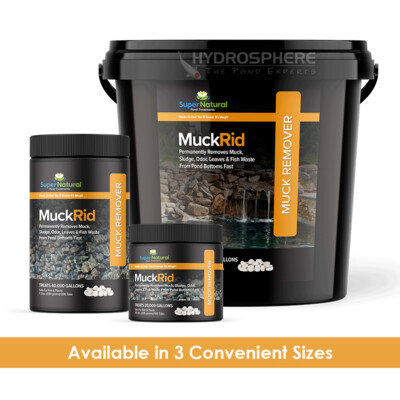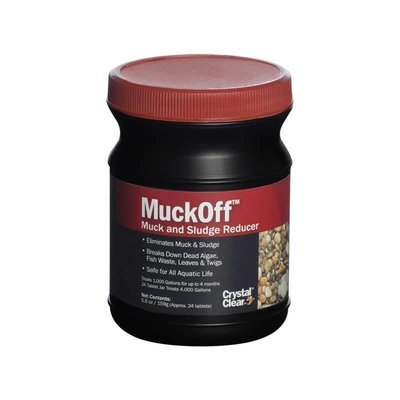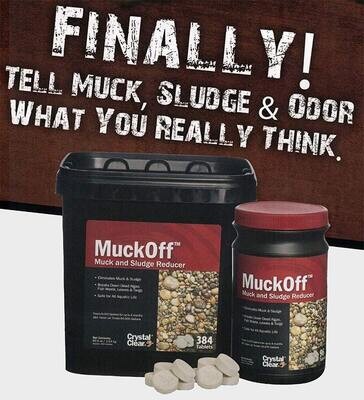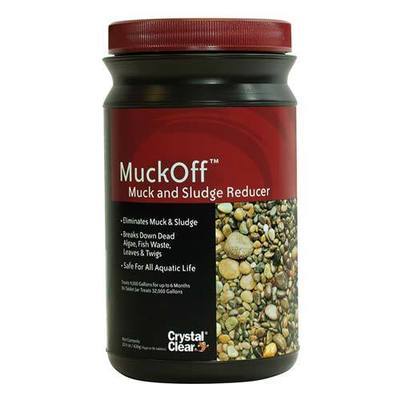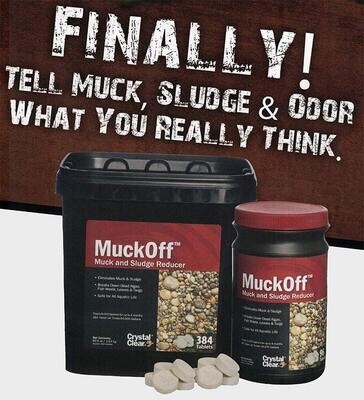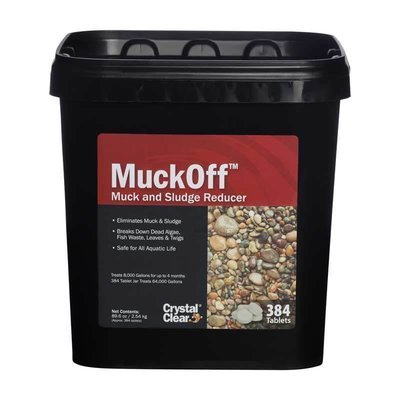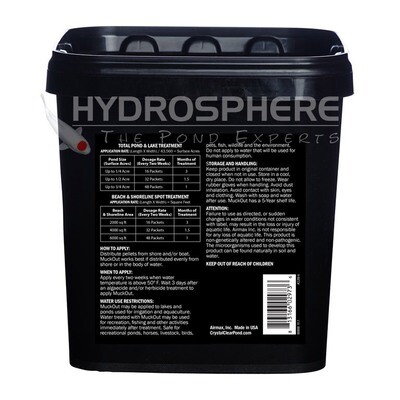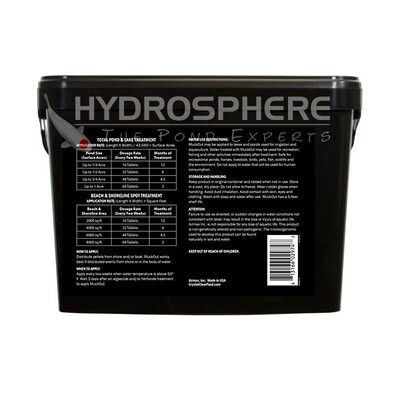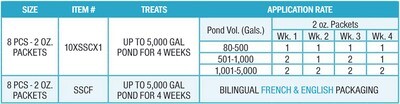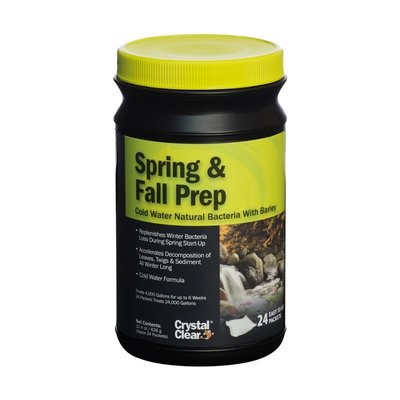
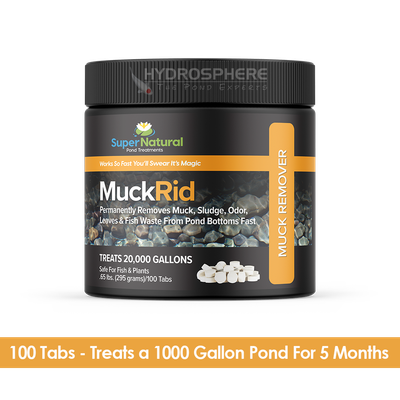
Pond sludge & muck removers are formulated specifically for the removal of organic bottom solids (sludge) that are slow to degrade. They work faster at warm water temperatures, however, may be used effectively at any temperatures year-round. They are especially helpful for ponds that have a rock or gravel bottom and where vacuuming is impractical.
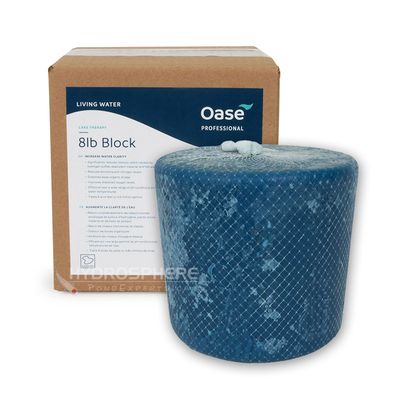
Montmorillonite clay powder that is used widely throughout the world in koi ponds and water gardens. It adds and replenishes the minerals and trace elements that are found in natural ponds, but missing in rubber lined ponds. It contains over 60 bio-available minerals and trace elements, including calcium, magnesium, potassium, sodium, and iron.
Most water lilies need at least 6 hours of direct sunlight a day to bloom, however there are some Shade Tolerant Water Lilies that will perform well in more shade and bloom quite well.
Costia is common microscopic parasite that is active in cool water. They are smaller than most parasites and are shaped like a comma when viewed under a microscope.
Performing regular, parial water changes is a great way to maintain optimal water quality. Changing 10%-15% of the pond water every week or 2, helps to flush out nitrates, tannins and other waste products while replenishing essential minerals.
Koi make wonderful pets for larger ponds. Because they can often grow up to 24” / 60 cm long (or even larger), they are not well suited to small ponds. Ideally, your pond should be a minimum of 48” / 122 cm deep to adequately house koi.
Pond Flocculants help to clear cloudy water by clumping small particles together so they can be trapped by your filter.
Frog and toad tadpoles are wonderful additions to ponds. Not only is it fun to watch them develop from tadpole to frog or toad, but they also consume copious amounts of algae