
Microbe-Lift PL Bacteria - Quart / 32 oz
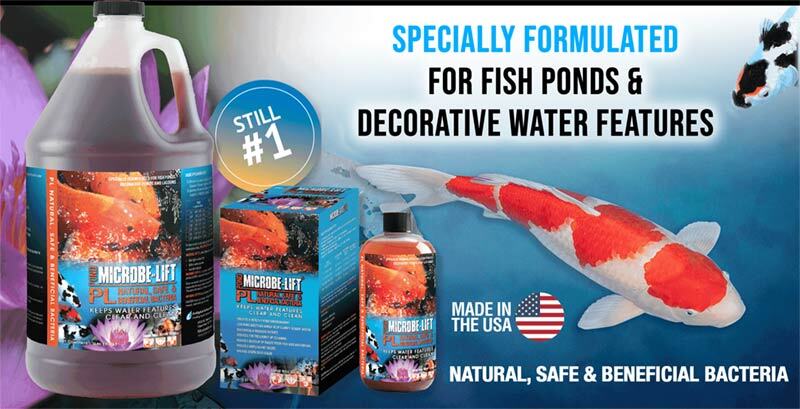
Specially formulated for koi ponds and water gardens. Keeps ponds clean and clear. Microbe Lift PL contains beneficial bacteria and enzymes to improve water quality. Also contains photosynthetic bacteria which reduces cloudy water, plus Nitrifiers including both Nitrosomonas & Nitrobacter species. Safe for fish, plants, and household pets that may drink from the pond.
Treats a 500 gallon pond for 11 months or 1,000 gallon pond for 8 months.
Features:
FAQs
Why does the MICROBE-LIFT/PL smell like rotten eggs?
The smell is attributable to the natural production of hydrogen sulfide by sulfate reducing bacteria as part of the ecosystem. This provides a source of energy for the purple sulfur bacteria in the product and, as a metabolic inhibitor, preserves the product giving it its long shelf life.
If I open it and there's no smell, how do I know if it's still good?
If there is no smell, it doesn't mean it's dead. It is definitely bad if it is whitish-grey and has a burnt rubber smell. The bacteria are definitely dead in that case. If it is pinkish or brownish in color, just shake it up it should be fine .
What environmental factors will negatively impact the performance of the bacteria in the pond?
Neighbors spraying pesticides in the area; nearby parking areas with road cleaning chemicals from maintenance vehicles; countywide pesticide spraying programs; unseasonable temperature drops; chlorine from tap water; salt and other medications added to the pond; lime and acids from cement foundations; hurricanes and strong winds blowing toxic debris into the pond. Although these will impact the bacteria, it should not eliminate all from the pond. The bacteria can re-establish itself.
What is bioaugmentation for my water garden?
It is the purposeful inoculation of a pond with a pre-selected consortium of microorganisms to establish the ideal numbers and distributions of populations to restore the natural balance to your pond. This provides a healthier environment for all forms of aquatic plant and animal life in an ecologically balanced pond.
What is the difference in using liquid product over dry bacterial product?
It is the purposeful inoculation of a pond with a pre-selected consortium of microorganisms to establish the ideal numbers and distribution of microbial populations to restore the natural balance to your pond. This provides a healthier environment for all forms of aquatic plant and animal life in an ecologically balanced pond.
What is the difference in using liquid product over dry bacterial product?
A major benefit in using liquid (live) bacteria over powdered (spore) bacteria is that the live bacteria will start to colonize and go to work immediately whereas the powdered will take longer and the liquid bacteria possess photosynthetic properties which are not available in the powdered forms. The powdered (such as ML/TAC) on the other hand, contains additional beneficial additives that may not be in the liquid, such as sodium bicarbonate, sea salt and activated carbon. A primary difference, which is instantly noticeable, is the lack of odor in the dry product.
Regular, partial water changes help to improve water quality by flushing out dissolved waste materials and replenishing essential minerals.
Utsuri – is the term used to describe a koi with only 2 colours. It is a black koi with one other colour such as white (Shiro Utsuri), red (Hi Utsuri), or yellow (Ki Utsuri)
Hanako, the oldest koi have ever lived, was born in 1751 and lived until July 7, 1977 - an extrordinary 226 years! The age of Hanako was verifed by scale analysis. July 7 was named National Koi Day in honour of Hanako.
Keep a close eye on your pond during the winter months to ensure there is an opening in the ice to allow oxygen into the water and gases to escape.
Tosai is the Japanese term that refers to a koi that is 1 year old. Learn more Japanese Koi Terminolgy.
Adding LED Pond Lighting is great way to extend the time you can enjoy your pond. Lighting up waterfalls or fountains adds a whole new dimension to your pond at night.
Lotus make stunning pond plants. The larger varieties have huge leaves that grow up to 24” in diameter held up to 3 feet above the water. Their flowers are very fragrant and measure up to 8” in diameter. There are also medium and dwarf sized lotus that will suit any size pond or water feature.
Yes, water lettuce do actually flower! However, the flowers are so small most people never actually notice them.
Chagoi are single coloured koi that range from light greenish brown to dark brown. Although they don’t have bright colours or intricate patterns, they are well known for growing larger than other varieties. They are also renowned for being very friendly and docile and are usually the first koi to come and eat food from your hand.
Oxy-Pond Cleaners are a great product for spot treating string algae on waterfalls and in shallow streams. Simply turn off your pump, sprinkle it on any algae, wait about 15 minutes and turn your pump back on.
Great Blue Herons are typically solitary birds, so placing a lifelike heron decoy at eh edge of your pond often deters them from visiting your pond and eating your fish. If you have a heron that lives near your pond, moving your decoy around from time helps to maintain illusion.
Goldfish make ideal pets for small ponds because of their modest size. They typically grow 8”- 10" long, although they can occasionally get bigger. The best types of goldfish for outdoor ponds are Comets, Sarasa Goldfish and Shubunkins.
Having some algae in your pond isn’t a bad thing. In fact, algae consumes nutrients and waste products and helps to purify your pond water. Many small zooplankton feed on algae which then become food for small fish.
While Tropical Water Lilies may be a bit expensive and will not survive the winter in the pond except in very warm climates, they are definitely worth it. They bloom profusely all summer long; they are available in many colours and they often have large exquisitely patterned leaves.
Floating plants like water lettuce and water hyacinths provide shelter and hiding places for koi and goldfish and can protect them from predators like herons.
Frogs typically hibernate during the winter by burrowing in the mud found in ponds and lakes. Their metabolism slows down enough that they can absorb all the oxygen they need through their skin.