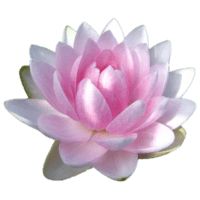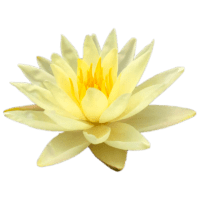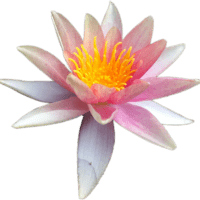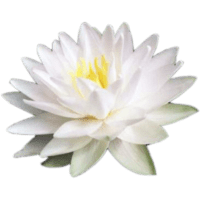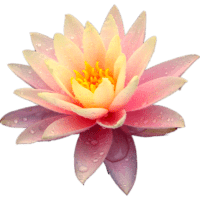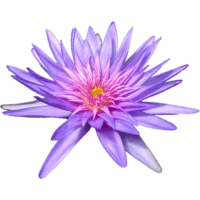
Water lilies are the jewels of the water garden. They constantly produce fragrant blooms from June through October. They are available in a wide array of spectacular colours from vivid reds, bright blues to pastel shades of yellow. Even the leaves of lilies can be quite striking, some varieties have heavily mottled patterns, others are variegated while some varieties have serrated edges.
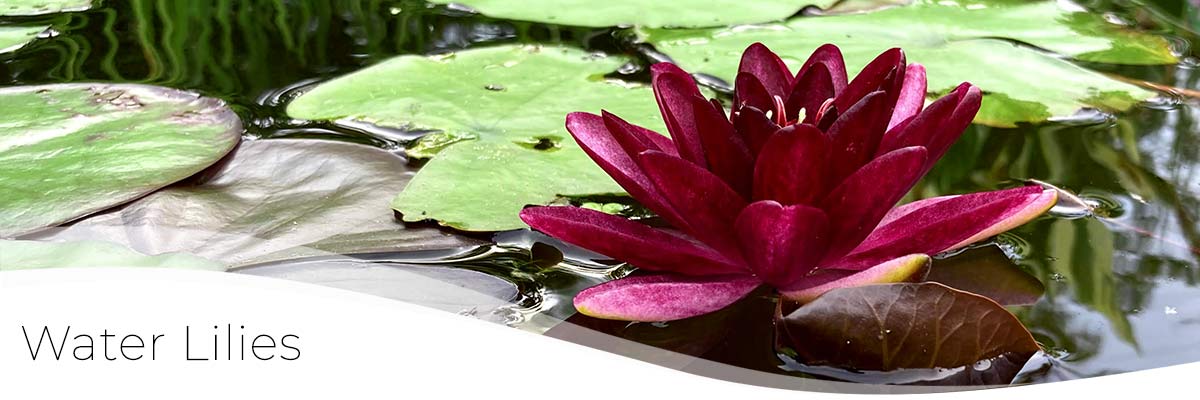
Some lilies grow fast, and have large leaves and spreads, which make them suitable for large ponds. But even if you have a small pond, tub garden or patio pond there are many great small and dwarf varieties that grow slower and have smaller leaves. These varieties will perform brilliantly in small spaces.
Water Lilies are very hardy and relatively easy to care for. Most varieties perform best in full sun, however there are a handful that will flower well in partial shade, click Water Lilies for Shaded Ponds for a list. Lilies are heavy feeders, so fertilize them with aquatic tabs or spikes to encourage them to flower profusely. They may need to be split and divided every few years for them to do their best.
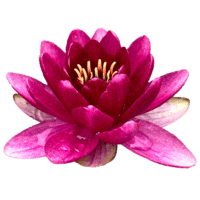
You can use rainwater to fill your pond, but keep in mind that it is very soft water. If you primarily use rainwater, be sure to check your pH regularly because it could become too low and cause serous problems.
Chilodinella is a relatively common microscopic parasite that can attack fish early in the season when water temperatures are still cool.
The beautiful koi we see today originally started out as bland coloured carp that were raised for food in Japan. It wasn’t until the early 1800's when farmers began to notice interestingly coloured fish appearing in their rice paddies and began selectively bred for colour.
Although algae can be a pond owners worst problem, it has many potential benefits outside of the pond such as, a source for biofuels, fertilizers and nutritional supplements
Nualgi is a product that natural fights algae in your pond. Nualgi provides essential nutrients promote a diatom bloom. These invisible diatoms outcompete the algae in your pond for the nutrients they feed on. The algae soon starves causing the water to clear.
Most water lilies need at least 6 hours of direct sunlight a day to bloom, however there are some Shade Tolerant Water Lilies that will perform well in more shade and bloom quite well.
Costia is common microscopic parasite that is active in cool water. They are smaller than most parasites and are shaped like a comma when viewed under a microscope.
Performing regular, parial water changes is a great way to maintain optimal water quality. Changing 10%-15% of the pond water every week or 2, helps to flush out nitrates, tannins and other waste products while replenishing essential minerals.
Koi make wonderful pets for larger ponds. Because they can often grow up to 24” / 60 cm long (or even larger), they are not well suited to small ponds. Ideally, your pond should be a minimum of 48” / 122 cm deep to adequately house koi.
Pond Flocculants help to clear cloudy water by clumping small particles together so they can be trapped by your filter.
Frog and toad tadpoles are wonderful additions to ponds. Not only is it fun to watch them develop from tadpole to frog or toad, but they also consume copious amounts of algae