
You can use these handy pond calculators to calculate the volume of water in your pond, the surface area of your pond, minimum recommended pumps size or the size of liner you need to build your pond. If you have a large, natural or farm pond, we also have calculator specifically designed for your pond.
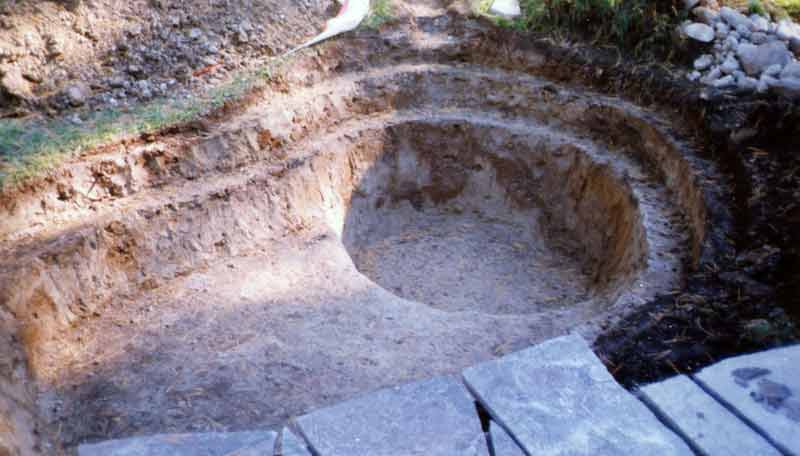
It is important to know the details about your pond, such as the volume, surface area and the recommended pump size. Any time you add a water treatment or medication for your koi or goldfish you need to know the volume so that you can to add the correct amount of treatment. If you under-dose with a treatment it will work poorly or not at all. If you overdose, you could kill the fish in your pond. It is also important to calculate the volume of you pond to properly size your pump and filter.
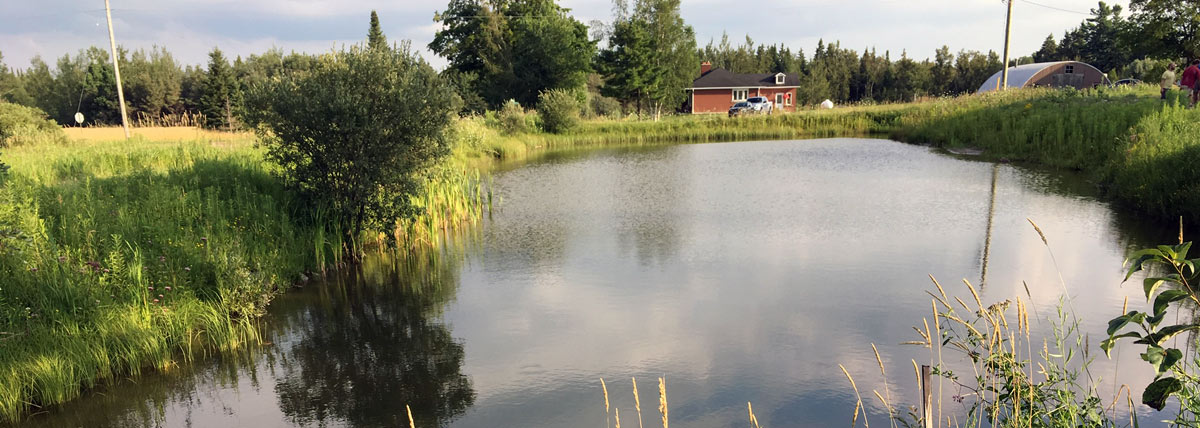
Maintaining proper pH level in your pond is important. Ideally your pond water should measure between 7.0 and 8.0. As long as it falls within these values, there is no need to adjust it up or down.
Maintaining proper pH level in your pond is important. Ideally your pond water should measure between 7.0 and 8.0. As long as it falls within these values, there is no need to adjust it up or down.
Costia is common microscopic parasite that is active in cool water. They are smaller than most parasites and are shaped like a comma when viewed under a microscope.
Performing regular, parial water changes is a great way to maintain optimal water quality. Changing 10%-15% of the pond water every week or 2, helps to flush out nitrates, tannins and other waste products while replenishing essential minerals.
Koi make wonderful pets for larger ponds. Because they can often grow up to 24” / 60 cm long (or even larger), they are not well suited to small ponds. Ideally, your pond should be a minimum of 48” / 122 cm deep to adequately house koi.
Pond Flocculants help to clear cloudy water by clumping small particles together so they can be trapped by your filter.
Frog and toad tadpoles are wonderful additions to ponds. Not only is it fun to watch them develop from tadpole to frog or toad, but they also consume copious amounts of algae